The Wolf Cut Hairstyle: Why 2.24 Million People Searched for It This Year
A haircut named after an animal known for shedding, prowling, and generally not caring what anyone thinks has become the most requested cut of 2026. That tracks.
The wolf cut isn't a gentle trim. It's a deliberately messy collision of two haircuts that used to be punchlines: the '70s shag and the '80s mullet, remixed into something that now dominates salon consultations, TikTok tutorials, and red carpets at once. It hit 2.24 million monthly searches in spring 2026, a 22% jump year over year, dethroning the bob as the internet's most-Googled haircut (Paris Select Book, 2026).
This guide covers where the cut actually came from, who it flatters, what it costs, how to style it at home, and how often you need to sit back in the chair to keep it looking intentional instead of just overgrown.
Key Takeaways
- The wolf cut hit 2.24 million monthly searches in spring 2026, up 22% year over year, making it the top-searched haircut of the season.
- It's a hybrid of the 1970s shag and the 1980s mullet, popularized in South Korea in the mid-2000s before TikTok pushed it into the global mainstream around 2021.
- It flatters oval, round, heart, and square face shapes and works on straight, wavy, or curly hair, though stylists warn it can flatten very fine or thin hair.
- Expect to pay roughly $45 to $105+ depending on stylist experience and location, and to book a trim every 6-8 weeks for short versions or 8-10 weeks for long ones.
What Exactly Is a Wolf Cut?
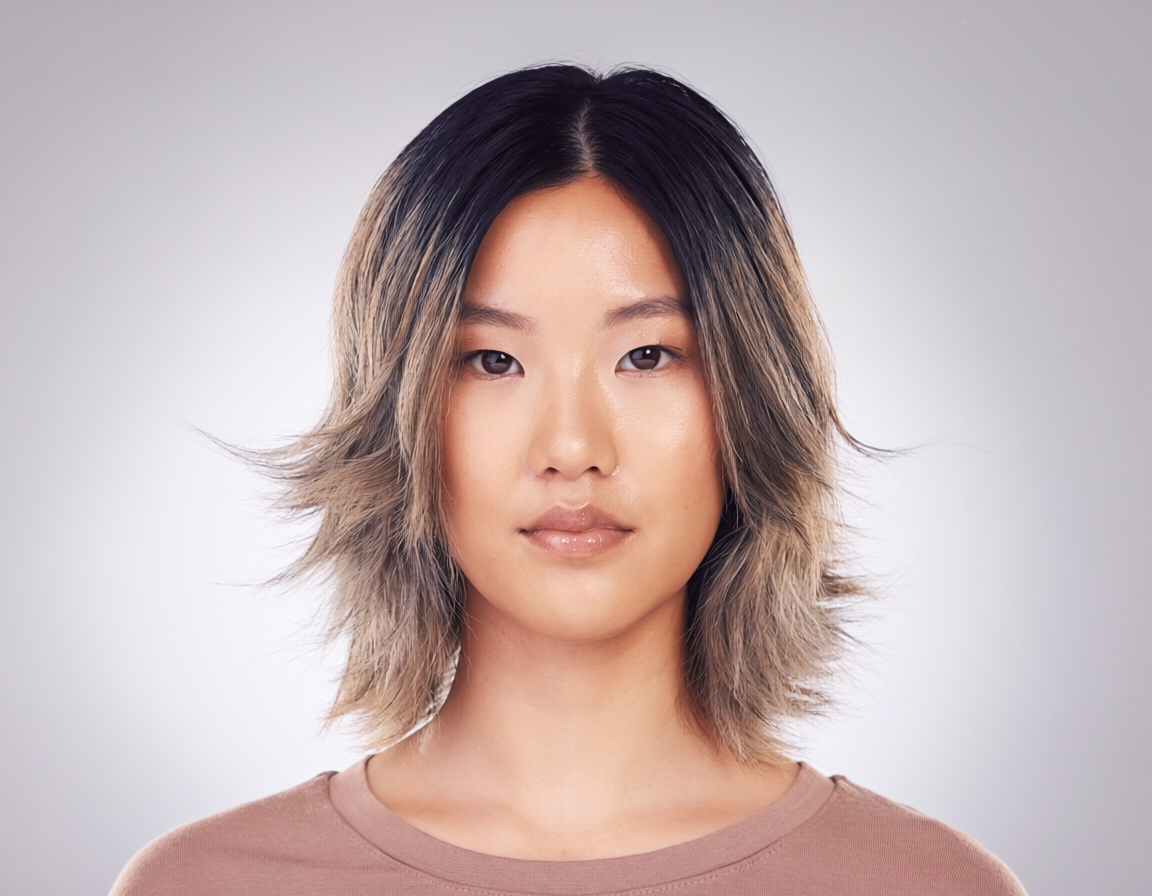
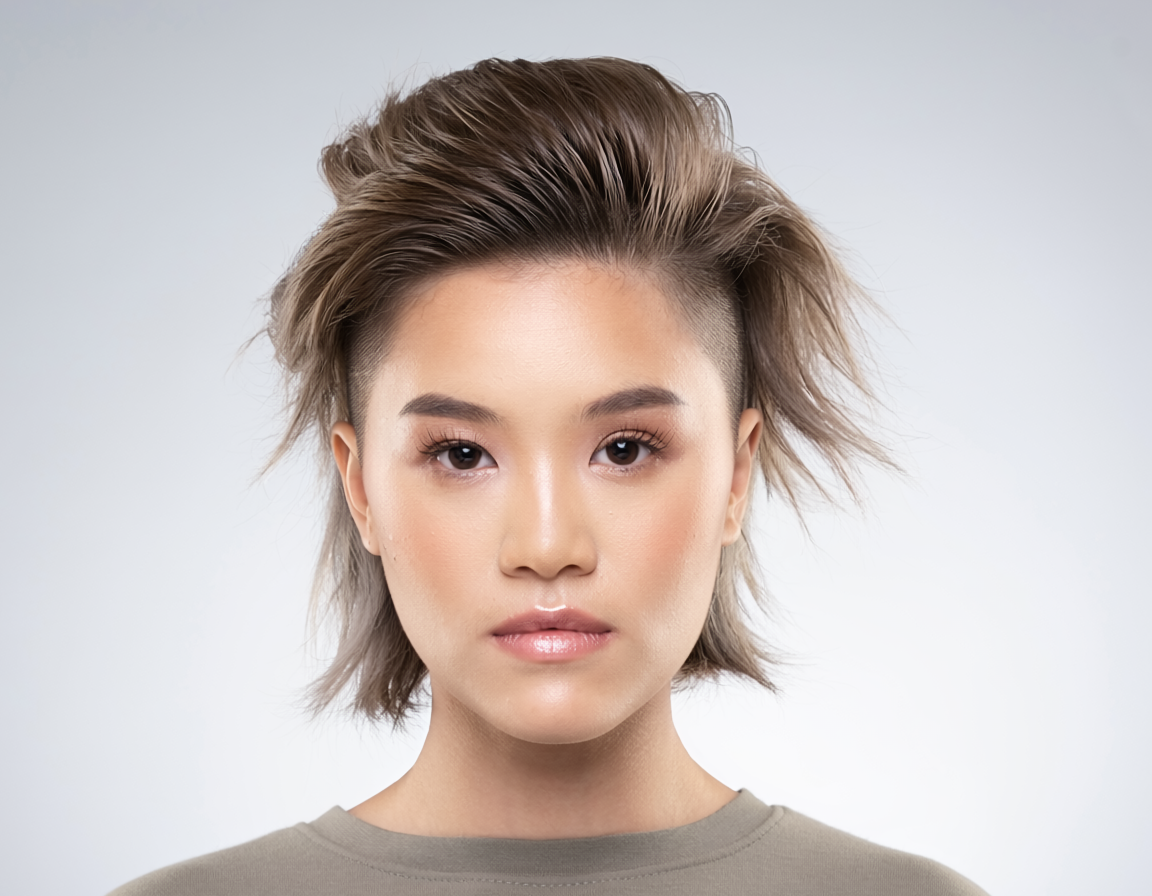
In 2026, the wolf cut is defined by heavy, choppy layering at the crown paired with a longer, mullet-shaped silhouette at the back and sides. It borrows the piecey, undone texture of the shag and grafts it onto the mullet's short-front, long-back shape, creating a cut that reads as deliberately untamed rather than simply unkempt (Julia Hair, 2026).
What makes it distinct from a standard shag is how aggressively the crown is layered. Stylists work the roots to add lift and separation while leaving the ends lighter and more tapered, so the silhouette moves and changes shape depending on how it's styled: sleek and flat one day, teased and voluminous the next (Who What Wear, 2026).
The wolf cut’s staying power is a little unusual for a TikTok-born trend. Most viral cuts, the "money piece," the curtain bang, the butterfly cut, spike and fade within a year or two. The wolf cut has instead moved from meme-y to mainstream, with the 2026 version noticeably softer and more wearable than the shaggy, borderline-unstructured cuts that first went viral, a sign salons have refined it into something closer to a permanent category, like the pixie or the bob, rather than a passing look.
For a breakdown of how it differs structurally from its two parents, see the wolf cut vs. shag vs. mullet comparison later in this guide.
Where Did the Wolf Cut Actually Come From?
The wolf cut traces back to South Korea in the mid-2000s, where stylists began blending mullet silhouettes with soft shag layering before the look spread through K-pop and broader Asian pop culture in the 2010s (Tyme, 2026). It’s genuinely a hybrid of two other cuts: the shag, which peaked in the 1970s with its loose, feathered layers, and the mullet, which peaked in the 1980s with its short front and long back (ManeAddicts, 2026).
The Western breakout moment came in November 2021, when Miley Cyrus wore a platinum, shaggy wolf-mullet to the LACMA gala, a single red-carpet appearance that effectively became the trend’s reference photo (The List, 2026). Billie Eilish debuted her own version the same year, and Jenna Ortega has since made a darker, shaggier take part of her signature look, keeping the cut visible across a wide range of hair colors and textures through 2025 and 2026 (Marie Claire, 2026).

TikTok did the rest — once the hashtag caught on in 2021, the combination of a dramatic before-and-after and a cut that photographs well from any angle turned it into one of the platform's most duplicated hair tutorials, which is part of why search volume has kept climbing instead of cooling off.
For readers deciding between this and gentler alternatives, FaceStyle.fun lets you preview the Shag preset side by side with a full wolf cut look before committing to either at the salon.
Who Does the Wolf Cut Actually Suit?
The wolf cut works across straight, wavy, and curly hair and flatters most face shapes, but it isn't universally low-risk: very fine or thin hair can end up looking sparser rather than more textured under heavy layering (L’Oréal Paris, 2026). Density matters more than most people expect walking into a consultation.
On face shape, it's especially flattering on oval, round, heart, and square faces, since the volume at the crown adds lift while the longer, face-framing layers soften sharp angles and wide cheekbones (Perfect Corp, 2026). Longer faces can also benefit, since the crown volume adds visual width rather than length.
Hair texture changes the outcome more than face shape does. Curly and coily hair benefit from the layered structure because it redistributes weight, reducing the triangular silhouette that heavy layering can otherwise cause and producing bouncier, more defined curls with better movement. Straight hair relies on the choppy layers themselves to create movement, since there's no natural curl pattern doing that work, so stylists generally recommend volumizing product at the root and texturizing spray through the lengths to keep straight versions from reading as flat (Foxy Lab NY, 2026).
| Hair type | Fit | Notes |
|---|---|---|
| Curly / coily | Excellent | Layers reduce bulk, define curl pattern |
| Wavy | Excellent | Natural texture pairs easily with the shape |
| Straight | Good | Needs product to create movement |
| Fine / thin | Caution | Heavy layering can look sparse |
| Thick / medium density | Excellent | Holds the shape and volume well |
A stylist consultation still matters more than any chart. Bring reference photos, but expect your stylist to adjust the exact layering to your density and growth pattern rather than copying a photo exactly (MasterClass, 2026).
How Much Does a Wolf Cut Cost, and What Should You Ask For?
Salon pricing for a wolf cut typically runs from around $45 at budget-friendly salons to $105 or more for a short, precision-layered version at a specialist stylist, with the gap driven mainly by stylist experience and geography. Independent stylists in major metro areas routinely charge toward the higher end of that range, while smaller towns and newer stylists tend to land near the bottom.
Three questions are worth asking before you book: whether the stylist has cut wolf cuts specifically (not just shags or mullets), how they plan to handle your natural texture, and how much length they're planning to remove at the crown versus the perimeter. Because the wolf cut's defining feature is uneven, deliberate layering rather than a uniform shape, pricing at some salons is closer to a creative color service than a standard cut, so it's worth confirming before you sit down since it can shift the quote significantly from a base haircut price.
If color is added, and many wolf cuts are styled with money pieces, balayage, or all-over lightening to emphasize the layer separation, expect the total to climb well past the base cut price.
How Do You Style a Wolf Cut at Home?
Daily styling starts with a round brush to detangle without flattening the layered volume, since a flat paddle brush tends to smooth out the texture that defines the cut (MasterClass, 2026). From there, technique splits by hair type.
For wavy or curly wolf cuts, a curl-defining cream applied to damp hair, followed by diffusing with the dryer angled downward while scrunching sections, adds definition without disrupting the curl pattern. For straight hair, a texturizing spray through the mid-lengths and ends, finished with a light-hold hairspray, creates the piecey movement that straight hair doesn't generate on its own (Dyson, 2026).
A useful shortcut: air-dry the hair 70-80% of the way, then finish with a diffuser rather than blow-drying from fully wet. It cuts styling time roughly in half compared to a full blow-dry and tends to produce a more natural, lived-in result, which is, after all, the entire point of the cut. Isn't that the appeal of a wolf cut in the first place: a style that's supposed to look like you didn't spend twenty minutes on it?
Not sure which look suits your hair type before you try any of this at home? FaceStyle.fun’s how-to guide walks through prepping a photo and picking presets for straight, wavy, and curly hair.
How Often Do You Need to Trim a Wolf Cut?
Because the wolf cut depends on sharp, uneven layering, it grows out faster-looking than a blunt cut, which is why stylists recommend trims every 6-8 weeks for short versions and every 8-10 weeks for longer ones to keep the layer definition intact (MasterClass, 2026).
That's noticeably more frequent than a blunt bob or a one-length cut, which can often stretch to 12 weeks between trims. The tradeoff is that a slightly overgrown wolf cut still looks intentional in a way an overgrown blunt cut doesn't. The whole style is built around movement and imperfection, so a few extra weeks between appointments is more forgiving than it would be with a precision cut.
Between trims, a leave-in conditioner applied to the ends helps prevent the kind of split-end frizz that makes heavily layered cuts look unkempt rather than styled, especially for thick, curly, or color-treated hair (Julia Hair, 2026).
Wolf Cut vs. Shag vs. Mullet: What’s the Real Difference?
The shag is soft, evenly feathered layering throughout with no dramatic length contrast between front and back. The mullet is defined by a hard length contrast, short at the front and sides and long at the back, with comparatively little internal layering. The wolf cut sits between them: it takes the mullet’s short-to-long silhouette and adds the shag’s heavy internal layering and texture on top of it (Wikipedia, Shag (haircut), 2026).
In practice, that means a wolf cut reads as messier and more textured than a shag, but less severe and retro than a classic mullet, which is likely why it’s found broader mainstream appeal than either parent cut managed on its own.
Is a wolf cut the same as a mullet?
No. A wolf cut borrows the mullet's short-front, long-back silhouette but adds much heavier, choppier layering throughout the crown and top, creating a softer, more textured shape than a traditional mullet (Tyme, 2026).
Does the wolf cut work on short hair?
Yes. Short wolf cuts are common and tend to require more frequent trims, roughly every 6-8 weeks, since the layering is more visible and grows out faster on shorter lengths (MasterClass, 2026).
Will a wolf cut make my fine hair look thinner?
It can. Heavy layering removes bulk, which adds movement on medium-to-thick hair but can make already-fine hair look sparser. Ask your stylist about a lighter version with fewer, less-aggressive layers if your hair is fine (L’Oréal Paris, 2026).
How much does a wolf cut typically cost?
Prices generally range from about $45 at budget salons to $105 or more for a short, precision-layered cut at a specialist stylist, with location and stylist experience being the biggest price factors.
How long does it take to grow out a wolf cut?
Most people transition out of a wolf cut over 6-12 months of trims that gradually blend the shorter layers into the longer lengths, rather than a single cut back to one length.
The Bottom Line
The wolf cut earned its 2.24 million monthly searches by doing something most trend cuts don’t — adapting to nearly every hair type and face shape instead of demanding one specific starting point. It rewards a good stylist consultation, a realistic trim schedule, and a willingness to embrace texture over polish.