Bixie Haircut Explained: The Bob-Pixie Hybrid
The bixie sits in the gap between two haircuts most people think of as opposites: the bob and the pixie. It keeps a bob's chin-to-jaw length while borrowing a pixie's short, choppy layering at the crown and around the face, which is exactly why stylists keep recommending it to people who want a real change without committing to an all-over crop.
This guide covers what actually separates a bixie from a plain pixie or bob, who it suits, how it holds up across hair types, and what the trim schedule really looks like. No dedicated Bixie preset exists on FaceStyle.fun yet, but the Choppy Layers preset captures the same short, textured crown layering and is the closest starting point to preview before your salon visit.
Key Takeaways
- A bixie combines a bob's length with a pixie's short, choppy crown layering, distinct from a full pixie crop or a one-length bob (Neal & Wolf).
- Oval faces are considered a near-ideal match; diamond, square, and triangle shapes also benefit from the extra crown volume.
- Plan on a trim every 4 to 6 weeks, or every 2 to 3 weeks if your bixie includes a fringe (John Frieda).
- It works on straight and textured hair alike, including documented 4a-4c natural-hair bixies, though the finished look varies by texture (Chris Appleton, via PureWow; Marie Claire).
What Is a Bixie Haircut, Exactly?
A bixie sits between a bob and a pixie: shorter, choppier layers at the crown and top blend into longer, face-framing pieces that typically land at chin-to-jaw length (Neal & Wolf, "The Bixie Haircut: Where Bobs and Pixies Unite"). Where the length ends up is flexible, which is part of the appeal. Celebrity hairstylist Danielle Keasling describes it simply as a cut that "combines the elements of a short bob with the texture and layers of a pixie cut," while stylist Jenna Spino of Maxine Salon in Chicago adds that "it can vary" a lot depending on exactly where you want the length to sit (PureWow).
The easiest way to tell it apart from its parents: a pixie crops the whole head short, a bob keeps one consistent length throughout, and a bixie does neither — it's short and choppy up top, longer and face-framing at the perimeter.
Where Did the Bixie Come From?
The bixie isn't a new invention. It first emerged in the 1990s as a softer, more wearable alternative to a full, severe pixie crop (L'Oréal Paris, "The '90s Bixie Haircut Is Back and Trendier Than Ever"). Like the wolf cut and curtain bangs before it, it's resurfaced repeatedly rather than staying in one decade, most recently after Chris Appleton cut a tousled bixie for Kylie Jenner in early 2024, and Ursula Stephen styled one on Zendaya for Louis Vuitton's Paris Fashion Week show and the 2026 Oscars. Stylist Jordan Jay Brumant sums up why it keeps coming back: "The bixie seamlessly blends the sophistication of a pixie with the versatility of a bob, offering more styling options" (Marie Claire).
Celebrities Who Have Worn a Bixie
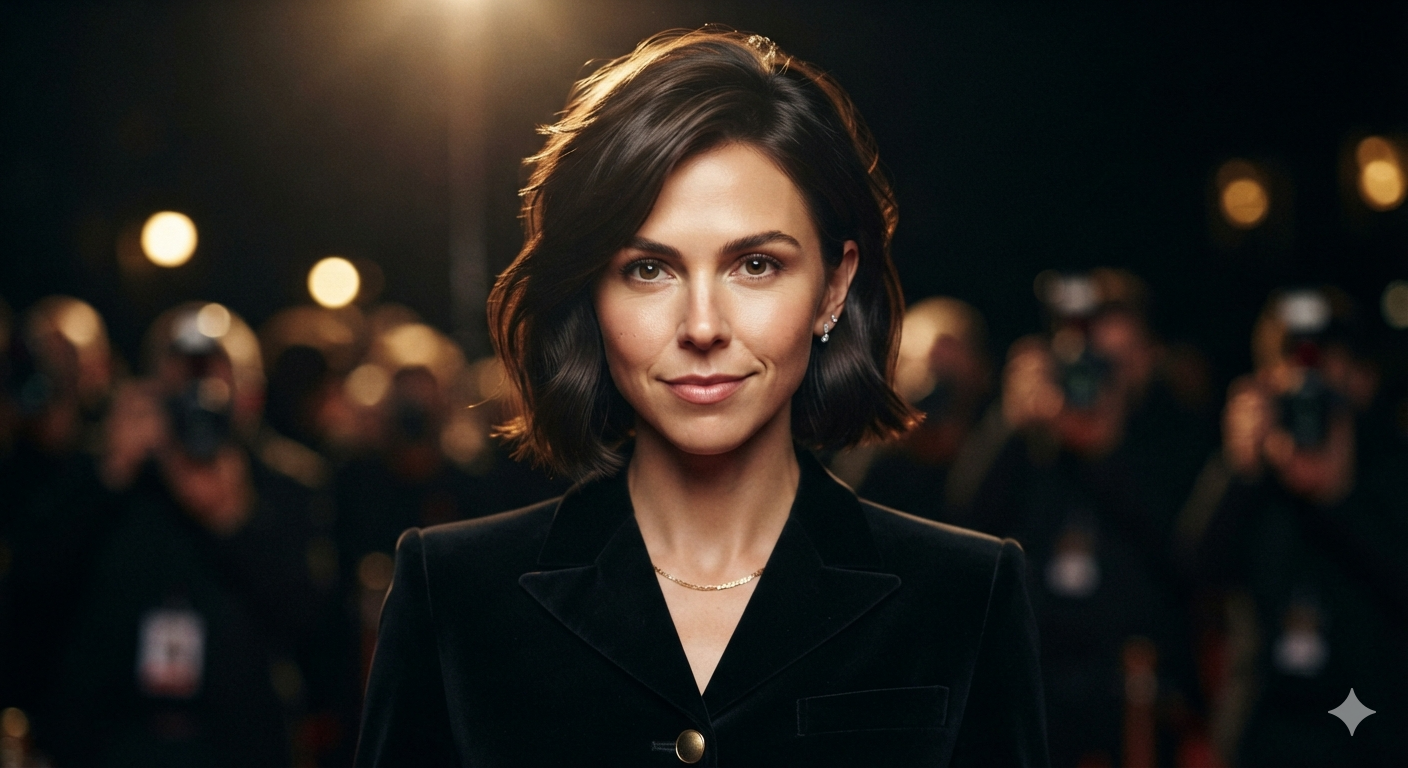
Marie Claire has documented bixie variations on more than thirty celebrities, including Demi Lovato, Halle Berry, Cara Delevingne, Kristen Stewart, Michelle Williams, Florence Pugh, Kerry Washington, Gigi Hadid, Emma Stone, and Charlize Theron. Two entries on that list are worth calling out specifically: Nathalie Emmanuel and Sophia Roe have both worn bixies cut for 4a-4c natural hair, real-world proof the style isn't limited to straight or wavy textures.
Who Does the Bixie Actually Suit?
By face shape, oval is considered a near-ideal match, while diamond, square, and triangle shapes also benefit, since the extra volume a bixie adds at the crown softens angular jawlines and foreheads (Neal & Wolf). Celebrity hairstylist Jennifer Korab puts it plainly: "A bixie haircut can enhance oval faces, elongate round faces" (PureWow).
| Face shape | Why a bixie works |
|---|---|
| Oval | Near-ideal match — balanced proportions handle the shorter crown layers without issue |
| Round | Crown volume and jaw-length sides add vertical lift, elongating the face |
| Square / Diamond | Extra crown volume and softer, choppy layers soften angular jawlines and foreheads |
| Triangle | Top volume balances a narrower forehead against a wider jawline |

Which Hair Types Suit a Bixie?
Celebrity hairstylist Chris Appleton notes that "straight and textured hair both look great with a bixie cut, but they will manifest a little bit differently" (PureWow) — straight hair shows the choppy crown layers as crisp, defined pieces, while wavy and curly textures soften them into more natural movement. That range is backed up by real documented examples, not just theory: Marie Claire's celebrity roundup includes bixies cut for 4a-4c natural hair on Nathalie Emmanuel and Sophia Roe, alongside plenty of straight and wavy versions.
| Hair type | Fit | Notes |
|---|---|---|
| Straight | Excellent | Crown layers read as crisp, defined pieces |
| Wavy | Excellent | Natural texture softens the choppy layering |
| Curly / coily (incl. 4a-4c) | Good, with an experienced stylist | Documented on real clients; ask for layers cut with your curl pattern in mind |
| Fine / thin | Good | Removing bulk at the crown can add the appearance of volume |
How Do You Style a Bixie at Home?
Daily styling is one of the bixie's biggest selling points, since the shorter crown layers do most of the shaping work on their own. A light texturizing paste worked into damp hair, followed by a quick blast with a dryer and fingers to lift the roots, is usually enough to define the layers without a full round-brush routine.

For a second professional reference on the technique, Sam Villa's hair-education channel has a more recent cutting demonstration worth watching before your consultation (How to Cut a Bixie).
How Often Do You Need to Trim a Bixie?
Plan on a trim every 4 to 6 weeks to keep the layered silhouette precise. If your bixie includes a fringe, tighten that up to every 2 to 3 weeks, since a fringe grows out of shape faster than the rest of the cut (John Frieda, "Guide to Bixie Cuts").
| Bixie style | Recommended trim window |
|---|---|
| Standard bixie (no fringe) | 4-6 weeks |
| Bixie with fringe | 2-3 weeks |
Bixie vs. Pixie vs. Bob: What's the Real Difference?
A pixie crops the entire head short, with little to no length difference between the crown and the perimeter. A bob keeps one consistent length all the way around, typically with minimal layering. The bixie borrows the top of a pixie and the length of a bob, then blends them together, which is why it reads as more versatile than either parent cut on its own.
| Cut | Length | Layering |
|---|---|---|
| Pixie | Very short all over | Heavy, all over |
| Bob | Chin-to-jaw, consistent | Minimal to none |
| Bixie | Chin-to-jaw at the perimeter, short at the crown | Choppy at the crown, blended into the length |
Is a bixie the same as a pixie cut?
No. A pixie is cropped short all over. A bixie keeps more length, typically chin-to-jaw, and borrows the pixie's short, choppy layering only at the crown and around the face, so it reads as a hybrid rather than a true short crop (Neal & Wolf, "The Bixie Haircut: Where Bobs and Pixies Unite").
How often do I need to trim a bixie?
Every 4 to 6 weeks to keep the layered silhouette precise. If your bixie includes a fringe, plan on trims every 2 to 3 weeks instead, since a fringe grows out of shape faster than the rest of the cut (John Frieda, "Guide to Bixie Cuts").
Does a bixie work on curly or coily hair?
Yes. Celebrity hairstylist Chris Appleton notes that straight and textured hair both work well in a bixie, they just look different once cut. Marie Claire has documented bixies styled on 4a-4c natural hair (Sophia Roe, Nathalie Emmanuel), which is real-world proof the cut isn't limited to straight or wavy textures.
What face shapes suit a bixie best?
Oval faces are considered a near-ideal match. Diamond, square, and triangle shapes also do well, since the extra volume the bixie adds at the crown softens angular jawlines and foreheads (Neal & Wolf, "The Bixie Haircut: Where Bobs and Pixies Unite").
Who popularized the bixie, and is it a new trend?
The bixie itself dates back to the 1990s as a softer alternative to a full pixie crop (L'Oréal Paris). It's resurfaced repeatedly since, most recently on Kylie Jenner (cut by Chris Appleton) and Zendaya (styled by Ursula Stephen), which is why stylists describe it as a recurring category rather than a one-off trend.
The Bottom Line
The bixie earns its staying power the same way the wolf cut and butterfly cut have: it isn't a single rigid shape, it's a framework — a bob's length plus a pixie's crown layering — that a stylist can tune to your face shape and hair type. Bring reference photos, mention your hair texture, and expect a trim every 2 to 6 weeks depending on whether you keep a fringe.